
Pediatric Neurofeedback Services

What Is Neurofeedback?
Neurofeedback is a type of therapeutic treatment that helps train your child’s brain to function more effectively!
Neurofeedback therapy is designed specifically based on the information and analysis captured in an qEEG (Brain map). Neurofeedback trainings target the cortexs’ of your child’s brain that are most needing support and regulation. During their neurofeedback sessions, a consistent feedback loop is offered through visual and or auditory stimulus that are direct, real-time responses to their brain wave activity.
When their brain is actively participating in the training exercises, the feedback loop will offer them a reward. Their brain will then engage in sensory stimulus; working to comprehend and define information in order to correct and create the most direct transmission of energy.
Think of it as exercise for their brain—training it to become stronger, calmer, and more flexible. Neurotherapy can be helpful for children and teens dealing with issues like anxiety, PTSD, ADHD, depression, sleep problems, and much more.
Our Framework
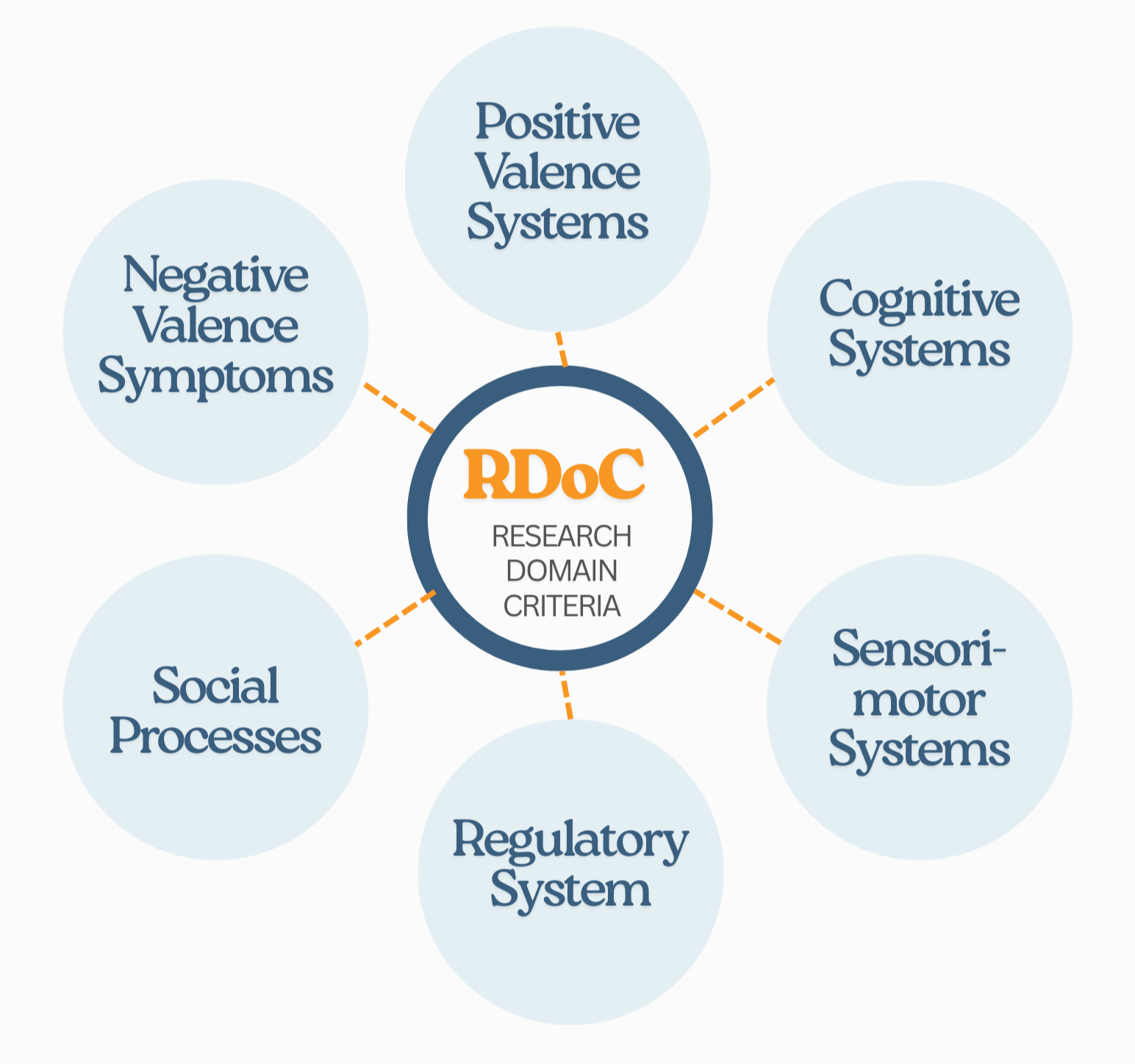
At Lighthouse Neurofeedback & Behavioral Health, we align our services with the National Institute of Mental Health’s (NIMH) Research Domain Criteria (RDoC) framework.
NIMH’s research represents a shift away from traditional symptom-based diagnoses towards a neuroscience-informed, dimensional understanding of mental health.
Instead of viewing mental disorders as isolated diagnoses, RDoC emphasizes dysfunction in brain networks and behavioral systems that cut across many diagnostic categories. This framework is deeply compatible with how we approach healing and growth in our clinic.
What is a qEEG?
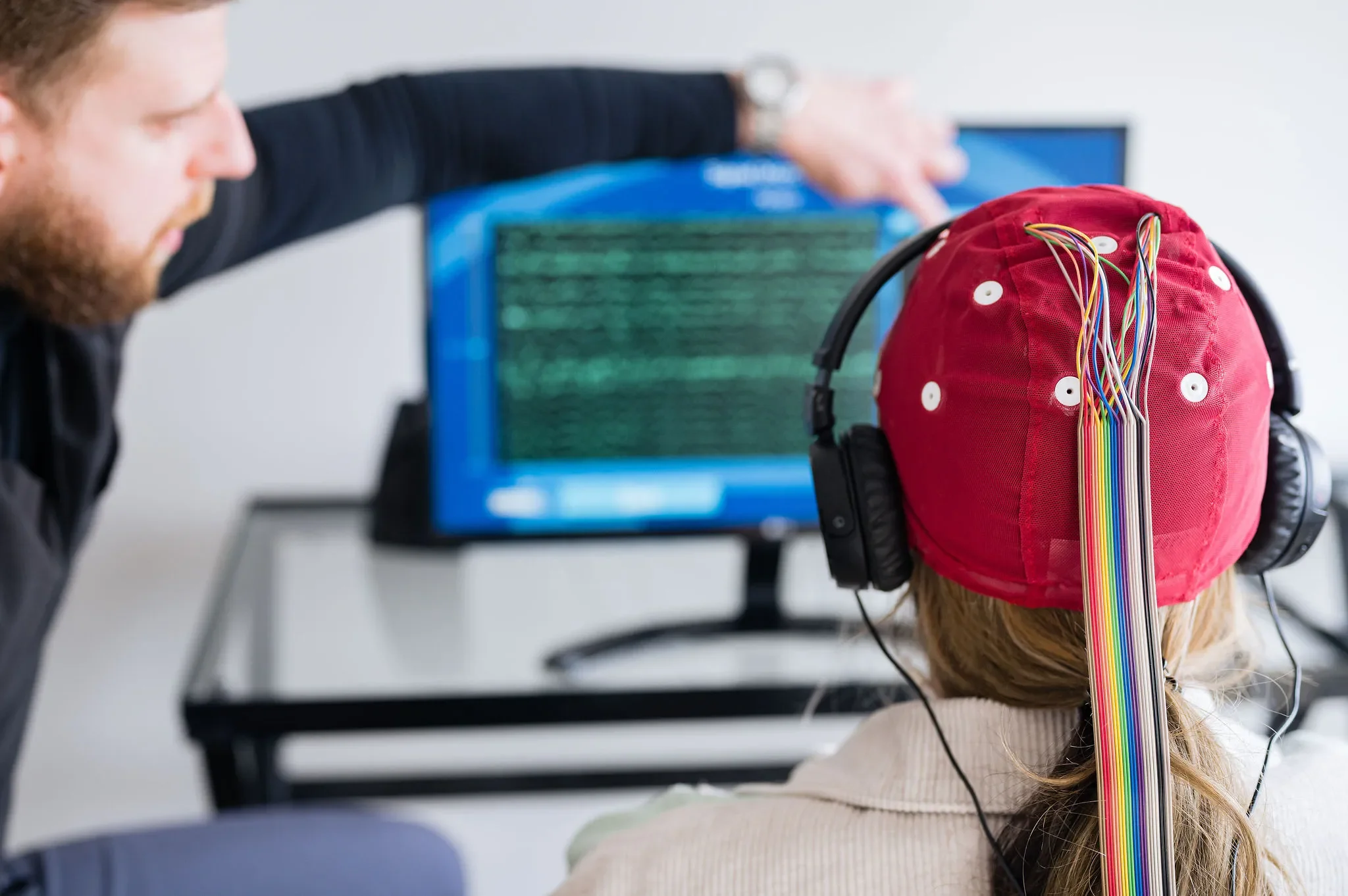
A qEEG, Quantitative electroencephalogram, or brain mapping, measures and records electrical activity produced by the brain. By placing non-invasive sensors along your child’s scalp, we will be able to take snapshots of how their brain is working. These sensors pick up their brainwaves, which present patterns of activity that their brain creates while they think, feel, and process information.
The data we collect helps us understand which areas of their brain might be overactive, underactive, or not communicating as well as they could. This interpretation is represented as “map” of your childs’ brain’s activity, showing us where things are in balance and where they might need some support.
We will use this gathered information to tailor neurotherapy exercises to enhance their mental and or behavioral health. Personalizing their treatment with insights into how we can help them feel and function better
Pediatric Intake Process
Session 1: New Client Intake
Session 2: New Client qEEG (Brain Map)
During a qEEG (brain map), our goal is to measure and analyze your child’s brainwave activity in a structured, non-invasive way.
In preparation for the qEEG, the clinician will first place a soft, fabric cap on top of your child’s head. The cap includes 10-20 electrode sites that will read your child’s brain activity.
After the cap is situated on their head, the clinician will then apply a salt-based gel to each electrode site. The gel ensures accurate recording of your child’s brainwave activity. The gel may stick to their hair or scalp after we finish the qEEG. We will gently wipe down their scalp and hair with a soft washcloth to the best of our ability after the qEEG is completed.
During the recording of the qEEG, their neurotherapist will instruct your child to relax and stay as still as possible.
The recording of their qEEG is done in two parts; eyes closed, and eyes open. During each part we will record their brainwave activity over several minutes.
How To Prepare For Your Child’s qEEG:
Make sure they get a good night's sleep prior to the day of their qEEG.
Please do not allow them to consume stimulants before their qEEG. This includes caffeine, ADHD medications, or sugar. Stimulants can drastically affect your qEEG results.
Please have them arrive with clean, dry hair. Having wet hair during an qEEG can negatively effect their qEEG results.
If they wear earrings, we may ask you to remove them during the session as they can interfere with the qEEG equipment.
Please let the therapist know if your child needs any extra accommodations to feel more comfortable during their qEEG (ex: blankets, pillows, lights dimmed, etc.).
Session 3: qEEG Review
Between their qEEG session and review, our Lead Neurotherapist reviews your child’s brainwave data through a software that compares your child’s brain activity to a neurotypical baseline, This unique software curates a visual brain map showing patterns like:
- Overactive or underactive areas
- Imbalance between brain regions
- Patterns linked to their reported mental or behavioral symptoms
(e.g., anxiety, attention, mood)
During this meeting, you’ll be shown your child’s qEEG assessment, qEEG interpretations, and visual representations of the information we collected during your qEEG. .
Individual circumstances, current state of wellbeing, and medical history are all taken into consideration when curating your child’s personalized treatment plan. This information is essential for a productive and successful review. Based on your child’s goals and qEEG results, our Lead Neurotherapist will curate a individualize neurofeedback treatment that will ensure the best care possible.
Your child’s first appointment with us will be their New Client Intake meeting. This meeting is an introduction to your child’s primary neurotherapist.
Your child’s neurotherapist’s goal is to get to know them! They will initiate a detailed conversation about your child’s goals, current symptoms, medical history, mental health history, lifestyle, and family dynamics. This meeting ensures that their care is tailored to fit their needs,